
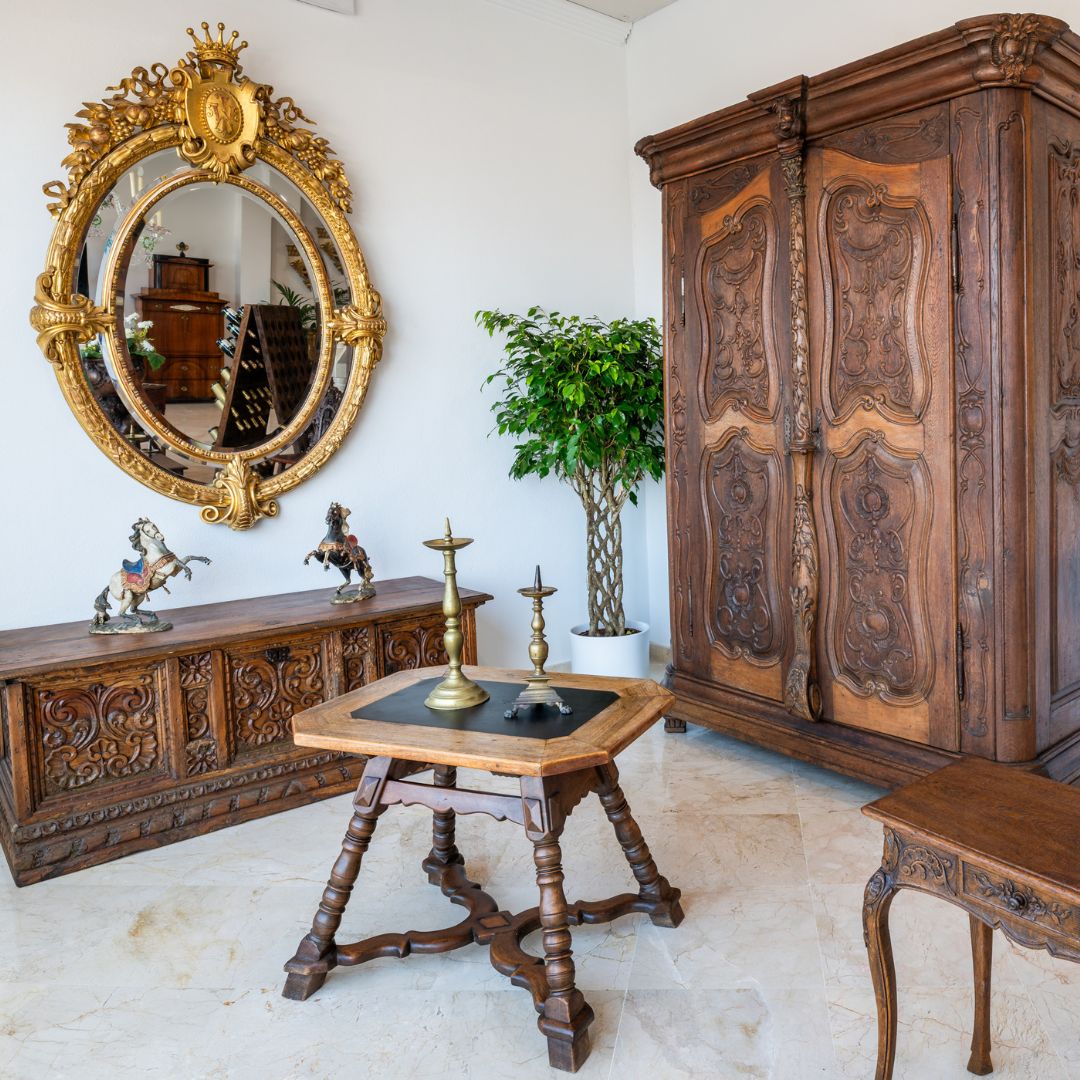
For years, interest in certain objects has been mainly associated with decorative purposes or personal taste. However, it is becoming increasingly common for people to spend time learning about the origin, history, and value of the things that catch their attention, turning a simple curiosity into a hobby that naturally evolves over time. That is why today we want to share some tips for starting an art collection.
Why should you start an art collection?
Art collecting is no longer an activity reserved for experts or major investors. Today, there is a wide range of artworks, styles, and price points that allows anyone to start a collection suited to their tastes and possibilities.
Beyond the aesthetic aspect, collecting art allows you to develop a closer relationship with both the artworks and the artists. Each acquisition is often accompanied by a story, a context, and a learning process that adds value to the experience.
It is also worth considering that a well-built collection can become both a cultural and personal asset. Although not every purchase is made with a financial objective in mind, many people appreciate the possibility of acquiring pieces with long-term appreciation potential.
Tips for starting an art collection
Before making your first purchase, it is advisable to spend some time getting to know the market and reflecting on the types of works that genuinely spark your interest. The following tips can serve as a starting point.
Define your tastes before buying
One of the most common mistakes is acquiring artworks simply because they are fashionable or because someone recommends them. The best approach is to spend time visiting galleries, exhibitions, fairs, and specialized spaces to discover which styles, techniques, or artistic periods create a personal connection.
A collection is usually stronger when it follows your own criteria. It may focus on contemporary art, classical painting, photography, sculpture, or even a specific theme.
Set a realistic budget
There is no need to make large investments to get started. Original artworks and quality pieces are available across a wide range of budgets.
Defining an approximate budget helps you make more rational decisions and avoid impulse purchases. It also allows you to plan the growth of your collection in a progressive and sustainable way.
Research artists and artworks
Before acquiring any piece, it is advisable to learn who the artist is, what their background is, and what relevance they have within their artistic field.
It is also important to request all available information about the artwork, including certificates of authenticity, provenance documentation, and any details that help guarantee its origin.
Buy with purpose, not on impulse
It is normal to feel excited when you find an interesting piece, but it is worth analyzing each purchase carefully. Asking yourself whether the artwork fits within the direction of your collection, whether you genuinely like it, and whether it will continue to interest you beyond your initial impression can help you make better decisions.
Learn about conservation and maintenance
A collection requires certain care measures to preserve the condition of the pieces over time. Factors such as lighting, humidity, temperature, and display systems can directly influence the preservation of an artwork. Understanding these aspects from the beginning helps protect your investment.
Prioritize quality over quantity
A collection is not built by accumulating pieces without any clear criteria. In many cases, it is preferable to acquire fewer works, provided they are carefully selected.
The artistic quality, state of preservation, and relevance of each piece often provide greater long-term value than the sheer size of the collection.
Surround yourself with specialized professionals
Having access to expert advice can make a significant difference, especially during your first acquisitions. Industry professionals can help identify interesting opportunities, verify the authenticity of artworks, and guide purchases according to each collector’s goals.
At Luxury Living & Fine Art, we work with a carefully curated selection of artworks and Malaga antiques, offering pieces that stand out for their quality, uniqueness, and historical value. Our experience allows us to support those who wish to start a collection with greater confidence and knowledge.
In addition, at Luxury Living & Fine Art, we understand that every collection is different. That is why we help our clients find pieces that match their interests, whether they are artworks, historical furniture, decorative objects, or Malaga antiques that bring personality and character to any space.