
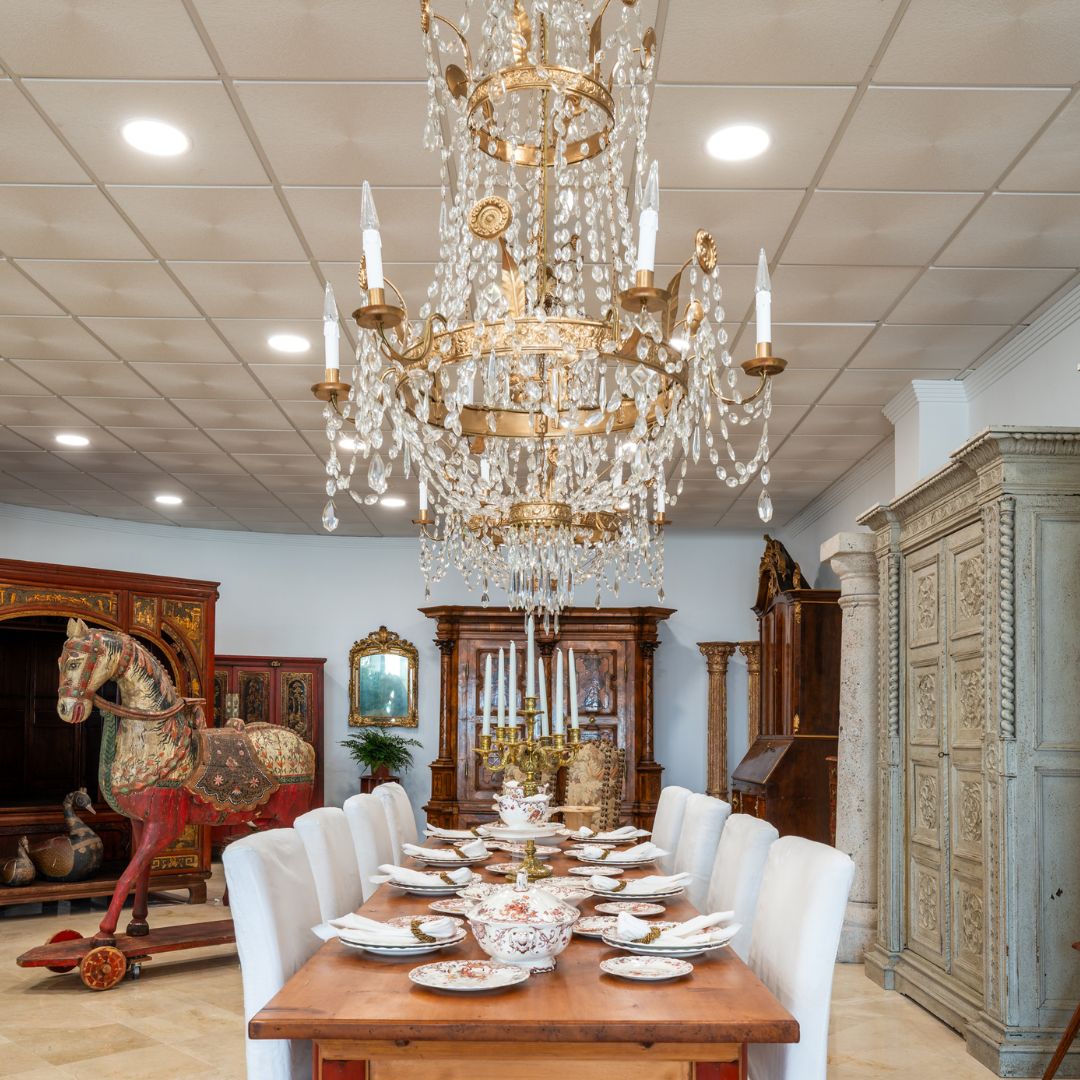
It is quite common to go through a house after years and realize that there are objects that have never really been paid attention to. Not because they are not used, but because they have always been there. At that point, the question comes up: is it just something old or could it be an antique with history and value?
Discover in this article how to know if you have an antique.
The value of having an antique in your home
Having an antique at home is not just an aesthetic matter. These are pieces that add character and make a space different from others. Compared to modern mass-produced objects, an antique has details, materials, and finishes that are not common today.
There is also an economic aspect that is often overlooked. Some pieces, even discreet ones, can have market value depending on their age, condition, and origin. In addition, many of them do not lose value over time, but maintain it or even increase it.
On the other hand, there is personal value. In many cases, these objects are part of a family’s history. They are not just decorative elements, but pieces that have been passed down through generations. Keeping and using them is a way to preserve that history without letting it be forgotten.
How to know if you have an antique in your home?
Before making any decisions, it is important to properly analyze the piece. Not everything that looks old actually is, and there are several factors that help identify it more accurately.
Materials used
Antiques are usually made with quality materials. Solid wood, strong metals, or crafted glass are quite common. If the object feels heavy and does not have industrial finishes, it is a positive sign.
Manufacturing techniques
Before mass production, objects were made by hand. It is normal to find small irregularities, tool marks, or uneven finishes. This usually indicates that the piece is not modern.
Condition
Natural wear is key. Signs of use, small cracks, or color changes are normal over time. If the object looks too perfect, it may be a reproduction.
Style and design
Each period has its own characteristics. Analyzing shapes, proportions, and decorative details helps place the piece in a specific time period.
Marks or signatures
Some pieces include stamps or maker’s marks. These elements can confirm their origin and provide important information about their authenticity.
Type of joinery
In antique furniture, it is common to find traditional joints such as dovetails or constructions without modern screws. This is a clear indicator.
Origin
Knowing where the piece comes from helps a lot. If it has been in the family for years or comes from an antique dealer, it is more likely to be authentic.
Difference between vintage and antique
It is important not to confuse terms. An antique is usually over 100 years old. Vintage is more recent, although it can still have decorative value.
Previous restorations
Many pieces have been restored. It is important to know which parts are original and which are not, as this directly affects their value.
Consult with experts
If there are doubts, it is best to go to professionals. An expert evaluation can help you correctly identify the piece and avoid mistakes.
Get an antique in Málaga for your home
At Luxury Living & Fine Art Nachtmann, we work with a carefully selected range of unique pieces that truly add value and authenticity. We specialize in antiques in Málaga, helping to find objects with history that fit different home styles.
We also offer promotions that make it easier to access this type of piece. Our goal is to make buying antiques a clear, straightforward process, so anyone can incorporate a well-chosen piece into their home. Contact us.