
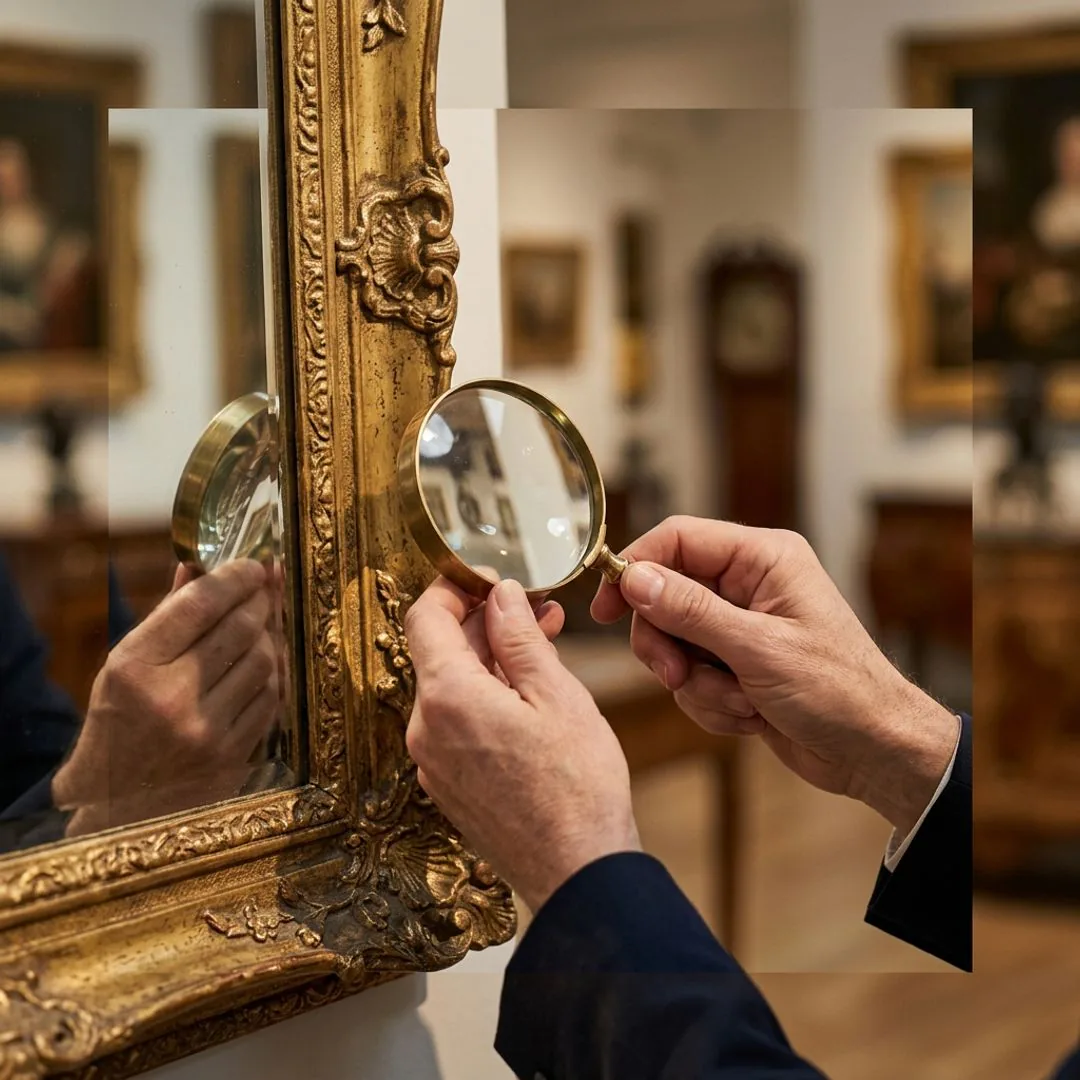
Buying antiques is a way to connect with history and invest in pieces whose artistic value endures over time. However, it is a market full of nuances that an untrained eye may overlook, and the most common mistakes when buying antiques often prove costly. Discover them here!
4 mistakes when buying antiques
These are the mistakes buyers most commonly make, whether due to a lack of knowledge of the sector or because they act on impulse:
Not verifying the provenance of the piece
Provenance is the documented ownership history of a piece and is the fundamental pillar for guaranteeing its authenticity. Acquiring a work without a clear record of its origin is one of the most critical mistakes, as it leaves the buyer exposed to forgeries or misattributed pieces that lack any real historical value. In the antique art market, appearances can be deceptive; an object that looks flawless may actually be a modern piece with no heritage value whatsoever.
For this reason, it is essential to request certificates of authenticity issued by recognised experts or historical invoices linking the piece to previous collections or reputable auction houses. The absence of this documentary trail is a warning sign that should discourage any transaction.
Not inspecting the physical condition of the piece
Overlooking the physical condition of a piece is another common mistake. Before completing any purchase, it is advisable to carefully examine several aspects:
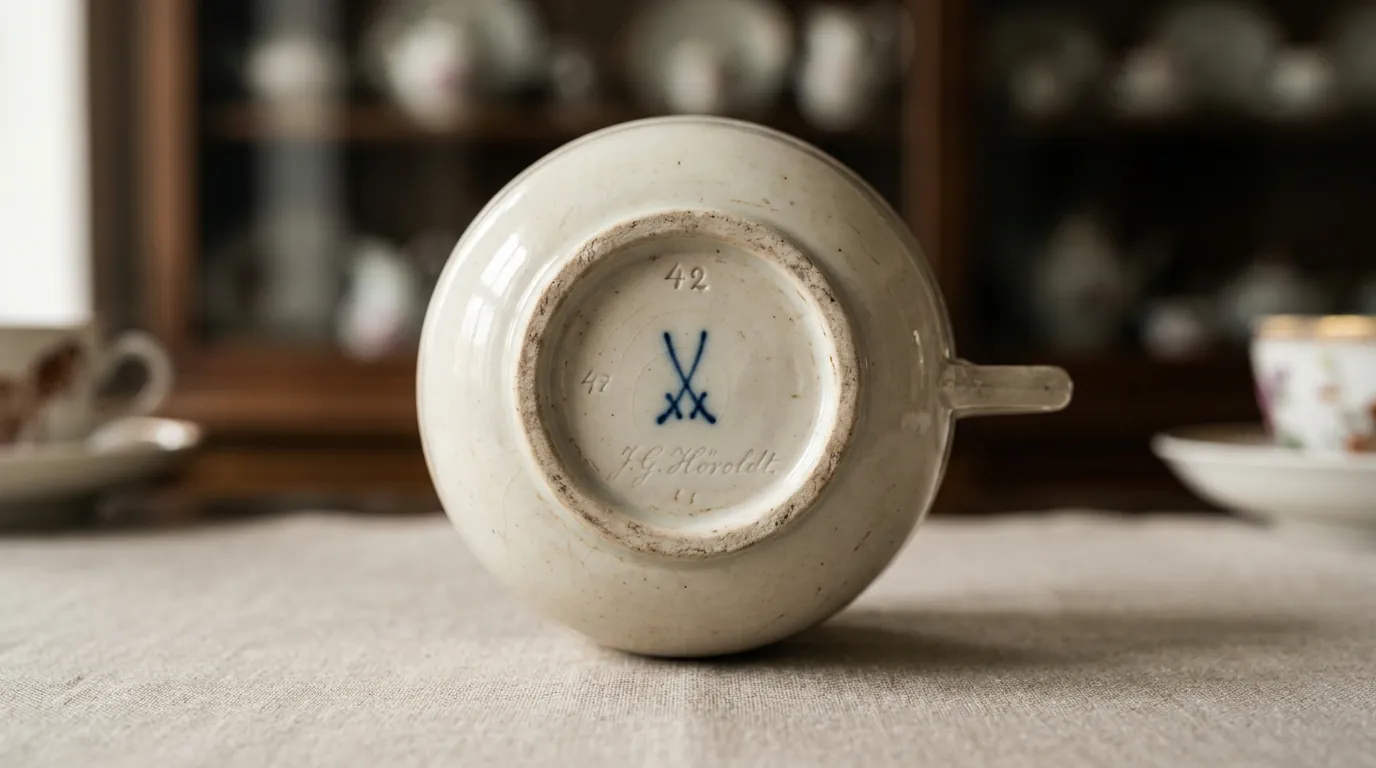
- Period marks. Identify stamps, artisan signatures, or workshop marks that correspond chronologically with the style of the object.
- Natural wear. The passage of time leaves organic signs of ageing. An antique piece of furniture should display slight irregularities and an even patina; signs of artificial damage (such as repeated impact marks or chemical stripping) are usually an indication of recent manipulation.
- Previous repairs. A piece with minor documented historical restorations is preferable to one concealed behind aggressive modern interventions that alter its integrity.
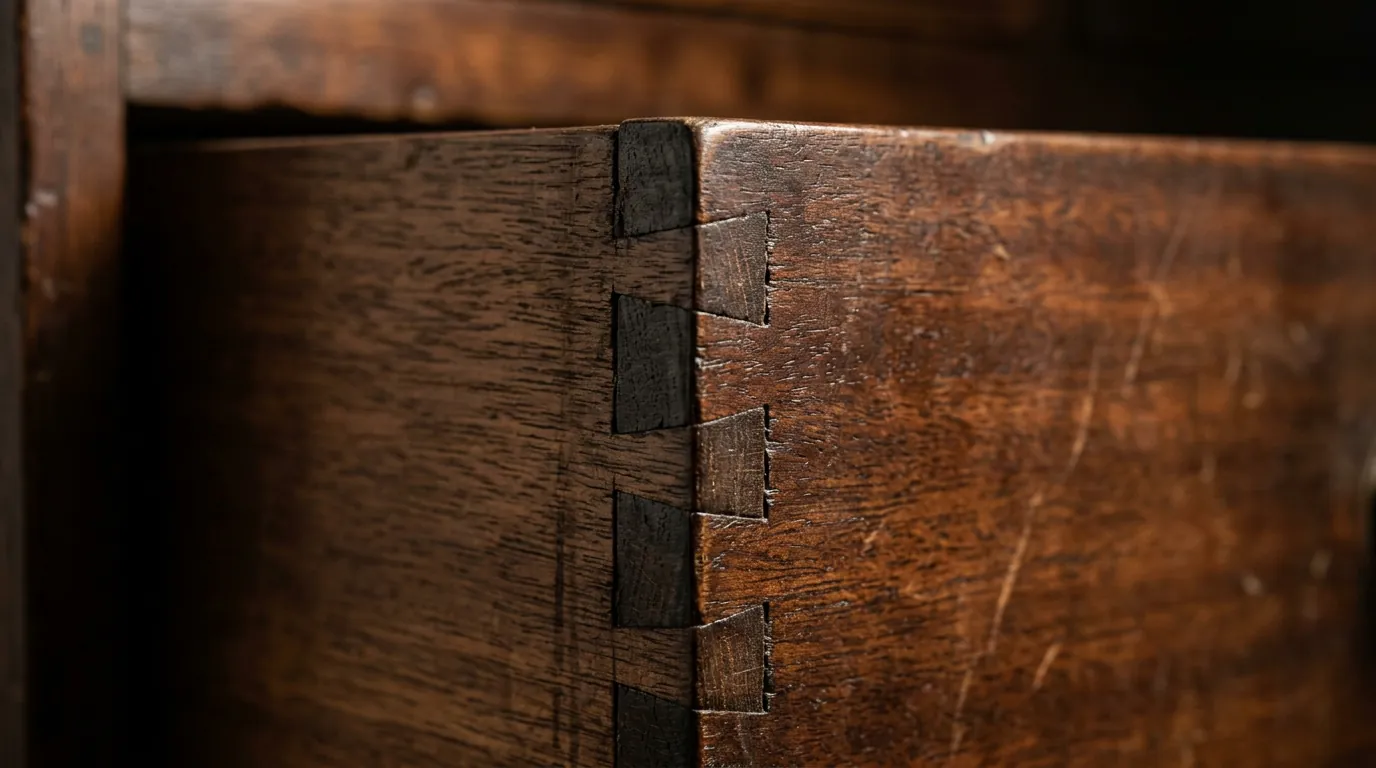
- Joinery. In furniture, examine the joints; traditional woodworking methods (such as hand-cut dovetail joints) are critical indicators of authenticity compared to industrial joinery.
Buying solely for decoration
Allowing yourself to be guided exclusively by decorative trends or an affordable price is a common mistake that undermines the purpose of collecting. Many people purchase pieces because they fit well into a contemporary interior, while overlooking the quality of the materials, the manufacturing technique, or their historical significance. This approach ignores the fact that the true value lies in the lasting presence of the work within the art market.
A professional art valuation should always take precedence over an immediate decorative impulse; only then can you ensure that the piece not only enhances a space but also preserves or increases its value as a cultural asset over the long term.
Giving in to urgency or pressure to buy
Another common mistake is acting hastily, either out of fear of missing an opportunity or because of pressure from a seller. Decisions made under pressure often overlook essential steps, such as requesting documentation or consulting an expert, and it is precisely this haste that opens the door to forgeries or inflated prices.
Taking the necessary time to verify every detail, even if it means letting a piece go, is always preferable to making a rushed purchase that you may later regret.
How can you distinguish heritage value from sentimental value?
Not everything that holds value for its owner also has value in the market, and understanding that difference is essential when buying or selling wisely.
To do so, you should take the following into account:
- Market history. It is advisable to research whether similar pieces have been documented in the catalogues of prestigious auction houses, as these references determine the true market value of an object within its category.
- Rarity and uniqueness. The value of a piece increases exponentially when it is a rare example within its series or period, compared to more common productions from the same era.
- Cultural context. An antique that represents a technical or artistic milestone of its century will always have greater long-term significance than a functional decorative object with no unique attributes, no matter how attractive it may appear.
- State of original preservation. Pieces that retain their original elements without modern replacements possess invaluable heritage value compared to those that have been excessively restored, even if the latter may seem more visually appealing at first glance.
The risks of buying without a professional valuation
Purchasing pieces without a prior appraisal often results in significant overpayment, especially when the buyer lacks the technical knowledge required to assess complex categories. The market is vast and highly specialised: an antique porcelain piece is not valued in the same way as an antique silver object or a piece of Asian art, where craftsmanship details and the rarity of the materials can cause dramatic variations in price.
The valuation of works of art requires an in-depth analysis of the signature, the condition of the piece, the current market, and its historical context—factors that only an expert can properly assess. Without a formal appraisal, there is a risk of paying premium market prices for ordinary pieces or, in the worst-case scenario, purchasing well-executed forgeries that prove impossible to resell through specialised channels.
The same professional approach is equally necessary when managing an entire estate or a private collection. In such cases, it is advisable to prepare an inventory that distinguishes pieces with genuine market value from those with purely sentimental significance, providing a solid foundation for deciding, at your own pace, what to keep and what to sell.
Expert guidance for a secure acquisition
Having the support of experienced specialists is what allows you to match the final price to the true value of a piece and purchase with confidence. At Luxury Living & Fine Art Nachtmann, we specialise in antiques in Málaga, carefully selecting unique pieces, whether antique furniture, religious art, silver, porcelain, or Asian art, and providing personalised guidance to support buyers throughout every stage of the process.
Contact us and visit our gallery to discover how we can assist you with your future acquisitions.